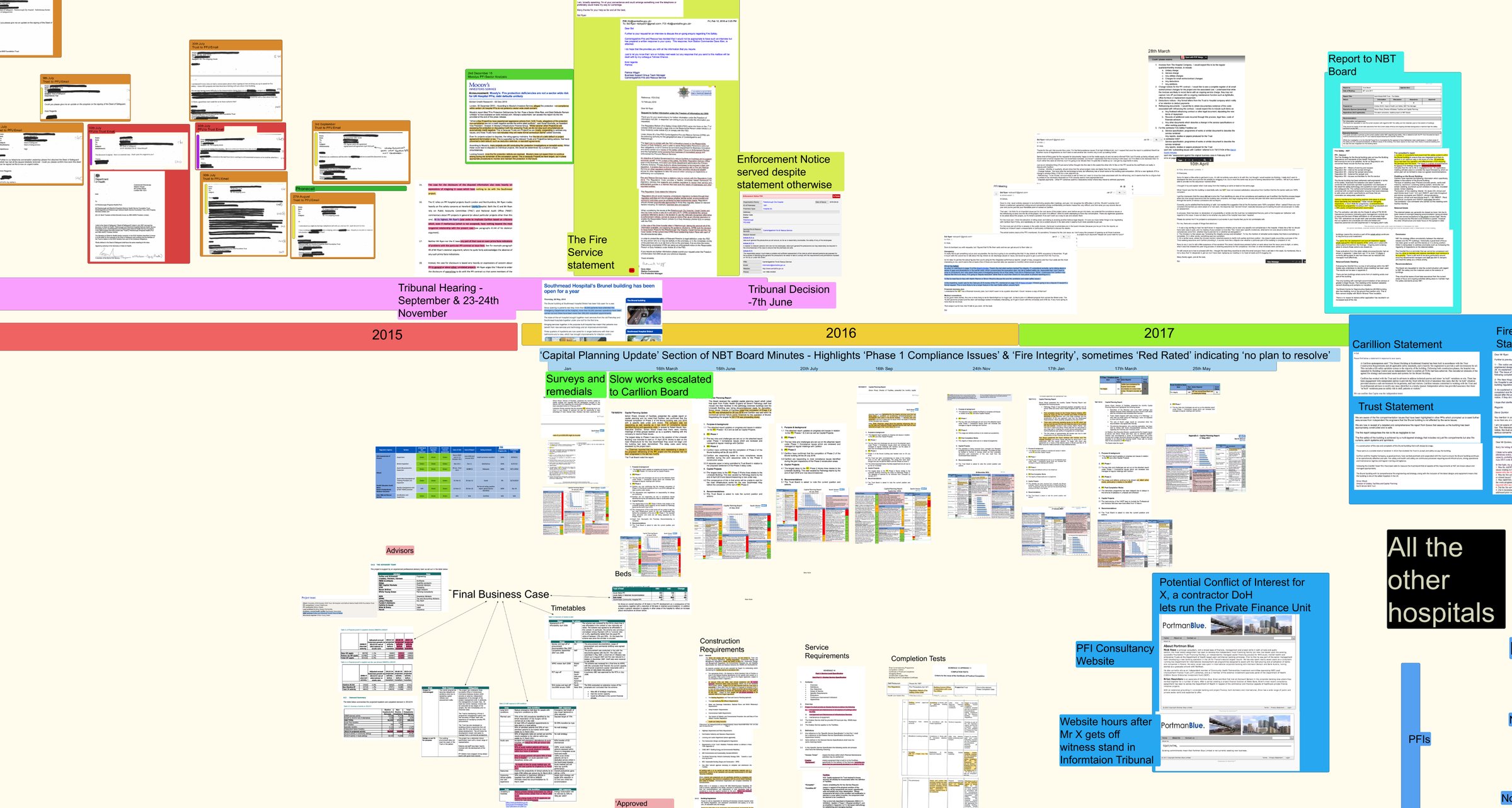
Part of the evidence timeline — Hereford, Peterborough and Bristol, 2015–2017
Research
For much of my career I’ve been a public researcher and journalist. My interest is the intersection between the public and private sector, mostly where it goes wrong, and my specialist subject is the Private Finance Initiative contracts (PFI) and the private healthcare industry.
What started as my Masters dissertation about fire safety defects in my local hospital eventually took six years to weasel out what actually happened, who was responsible and whether the taxpayer would end up footing the bill for mistakes made by the PFI consortia. I eventually tracked similar contract management issues, to put it mildly, at a dozen other PFI hospitals across the UK.
With the Centre for Health and the Public Interest I performed what I am still surprised is the only public cost/benefit analysis of NHS England’s blank-cheque contract with the UK’s entire private hospital sector during COVID. Our findings that vanishingly few COVID patients were treated by private hospitals were used as evidence by the COVID Inquiry, and it made national news.
Read the research →Information Law
Private finance is perhaps the most opaque and secretive industry in the world, and so to do any meaningful research I had to become expert in the Freedom of Information Act, and in arguing that the public interest in transparency outweighed the commercial interest of not having to disclose any of your mistakes.
I’ve made more requests and appeals than I could count, and have represented myself at seven cases before the Information Tribunal, six of which reached a judgment. My proudest achievements: putting an entire PFI contract, and its financial model, into the public domain for the first time ever; the map above showing the hundreds of fire defects which I’d been told several times didn’t exist; and being called a conspiracy theorist by the Department of Health, only for them to have to apologise after losing their case.
Along the way I’ve developed my knowledge and practice in the Data Protection Act and GDPR, from writing and sending SARs to answering them for a local council, and reviewing NHS systems for data security and integrity.
I’ve been teaching the Freedom of Information Act almost as long as I’ve been using it. I genuinely believe the right to request information from government and data controllers is a wonderful thing and a mark of a civilised society, and it saddens me that the pervading culture is that transparency is a thing to be avoided if possible and messaged if not.
| Wye Valley Trust & Mercia Healthcare EA/2014/0258 The papers from the Trust’s dispute with its PFI contractor over the fire safety defects. The Trust withdrew its appeal a month before the hearing and handed them over. |
| North Bristol Trust & Carillion PLC EA/2015/0022 Disclosure of the financial model for a £60m per year hospital. Read the judgment → |
| Wye Valley Trust & Mercia Healthcare EA/2016/0125 Engineers’ reports into the fire safety defects. Read the judgment → |
| Department of Health EA/2016/0306 The diaries and correspondence of DoH’s Private Finance Unit. Read the judgment → |
| The Royal Marsden NHS Foundation Trust EA/2021/0047 How much money does the largest NHS private healthcare unit actually put back into NHS services? Read the judgment → |
| NHS England EA/2022/0178 How NHS England negotiated the block-booking of every private hospital in the country, in the first weeks of the pandemic. Read the judgment → |
| NHS England EA/2023/0019 Precisely how much public money did NHS England pay to treat private patients during COVID? Read the judgment → |
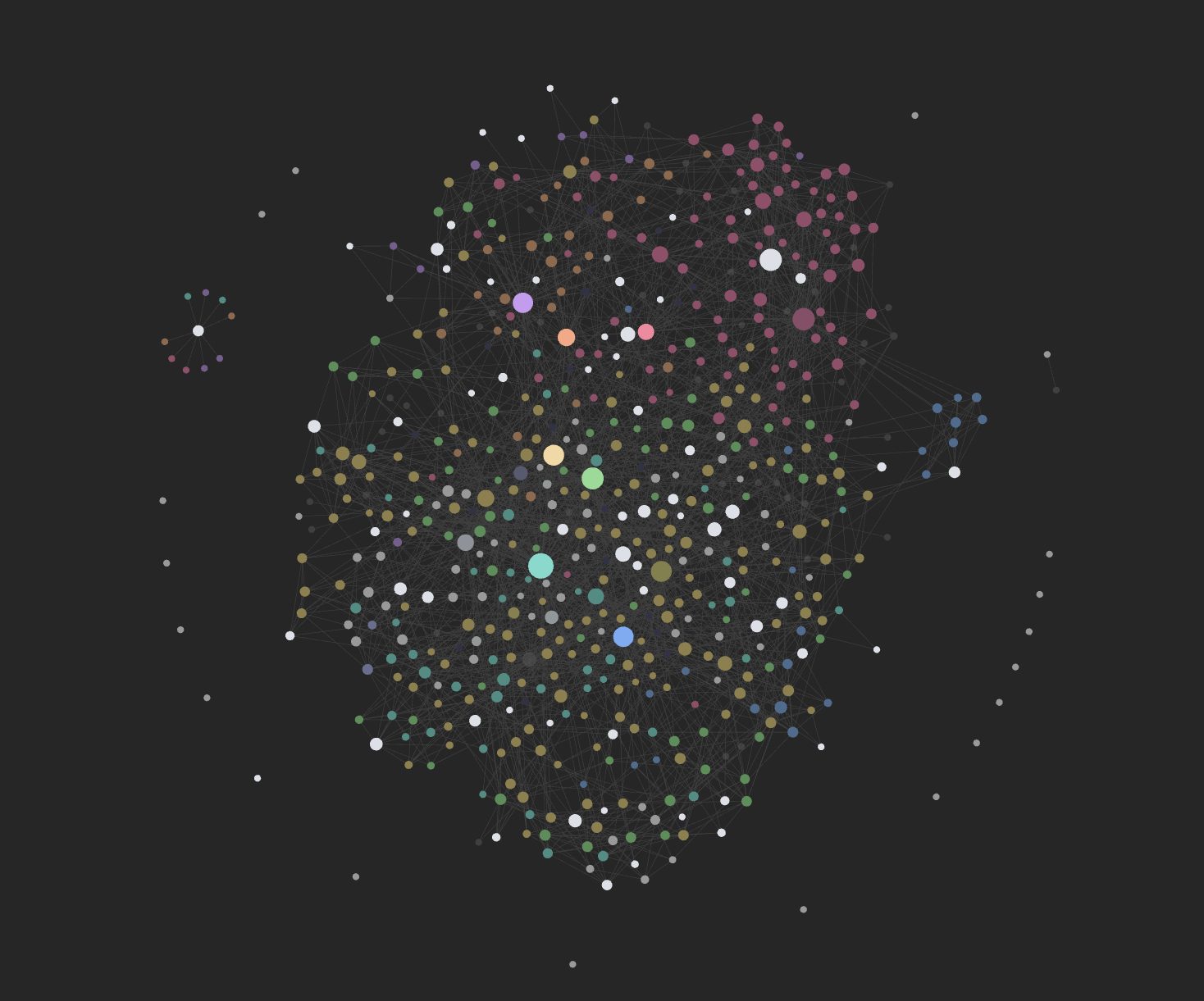
Obsidian graph view — the Great Filter vault
Systems & tools
Systems have a purpose and tools have functions. I’ve always enjoyed taking them apart, examining what their pieces do and how they fit together, and trying to rebuild them to fulfil their goals more efficiently.
Nowhere is this done more elegantly than inside the cell. I studied Biochemistry with Pharmacology at university, winning a prize for my dissertation using bioinformatics to detect a novel binding site on a strain of DNA replicase, and genetic engineering using bio-bricks.
Everywhere I’ve worked I’ve taken my core workflow and optimised the process. Proposing a redesign of the blood-sample reception process at an NHS laboratory, renegotiating the case-management software contract for Huntingdonshire Council, and the Google Sheets dashboard for the Bristol Cable, which I believe it still uses today.
Since AI has removed the barriers to writing functional code, I’ve been building larger and more complicated systems: to ingest and analyse political and economic news, to research, write and execute FOI requests, and to automate the tasks I’d otherwise do by hand. It has been an education in how to use a powerful tool you can’t entirely trust.
See what I’ve built →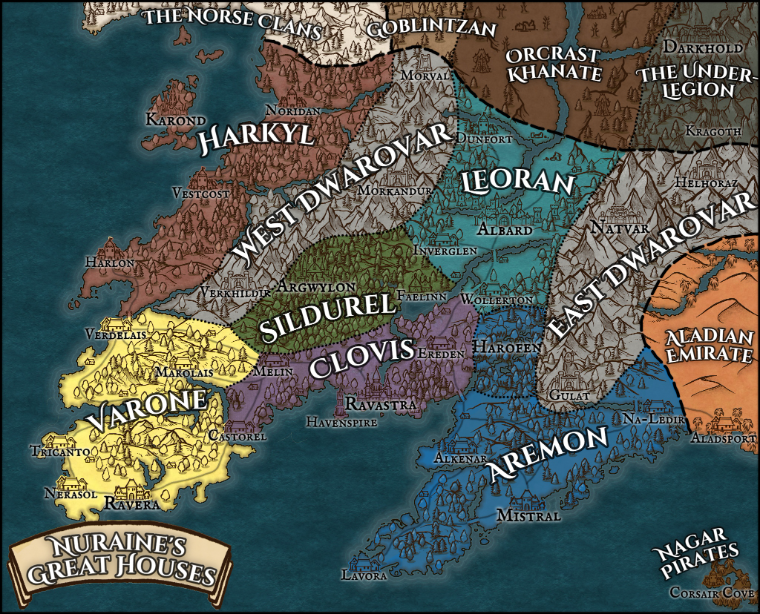
Worldbuilding
My most complicated system is the world of Auraine. It started as a heist adventure for my family to play in, but it always begged the questions: why are the characters in this world the way they are, and do the things they do? And what happens next in the story?
Bit by bit you seek to challenge the players more by giving them debts and obligations to people and organisations in the world. You give the characters’ rivals plans of their own, and a basis for those grudges. Every region has a geography, which dictates an economy, which drives its culture, and then there are the neighbouring regions. Most people have a boss, and often that’s a King, with their own dynasties and alliances who’ve ruled some bit of land more or less successfully. Then a fantasy setting has about a dozen bizarre races, with their cultures and histories, and that’s before you get into magic and the gods.
It all fits together quite neatly, organised around the principles of atomic physics and a pantheon of deities which map to the periodic table. The setting is plausibly realistic to the 1618 of our world, a newly consolidating continental polity crashing into the problems of early modernity, a dying feudal order, religious strife and rapid concentration of wealth. There is a rich vein of history to draw upon, not to mention the great canons of fantasy and science fiction.
Enter the world →Painting and Dioramas
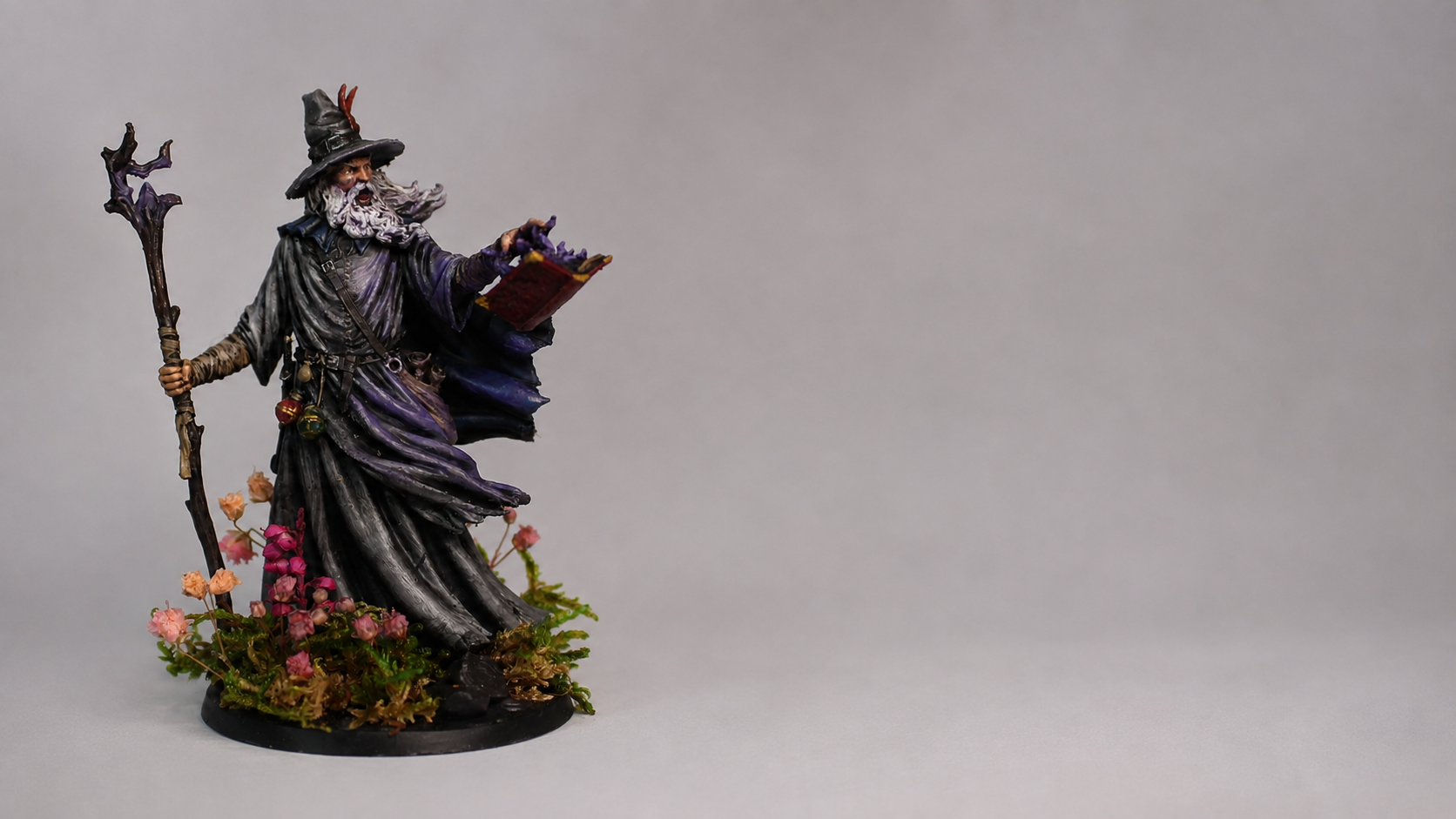
My special talent is miniature painting and, when I have the time, building elaborate dioramas. I like to use a bit of everything: inks in the airbrush for the base, acrylics for colour, washing to bring out the shadows, oils for blending and highlights, and just a little wear and grime with enamels to bring it together.
The models are 3D printed with UV-sensitive resin, which is its own craft. It requires some proficiency in 3D modelling, a custom-built ventilated enclosure to manage the fumes and pretty strict safe-handling protocols. But with that you can download, remix and print any digital 3D object and make it real at 35µm resolution.
Most of my work gets gifted to friends and family as birthday, wedding and christening gifts. But if you would like to capture someone’s heroic essence in a custom statuette, I’m open to commissions.

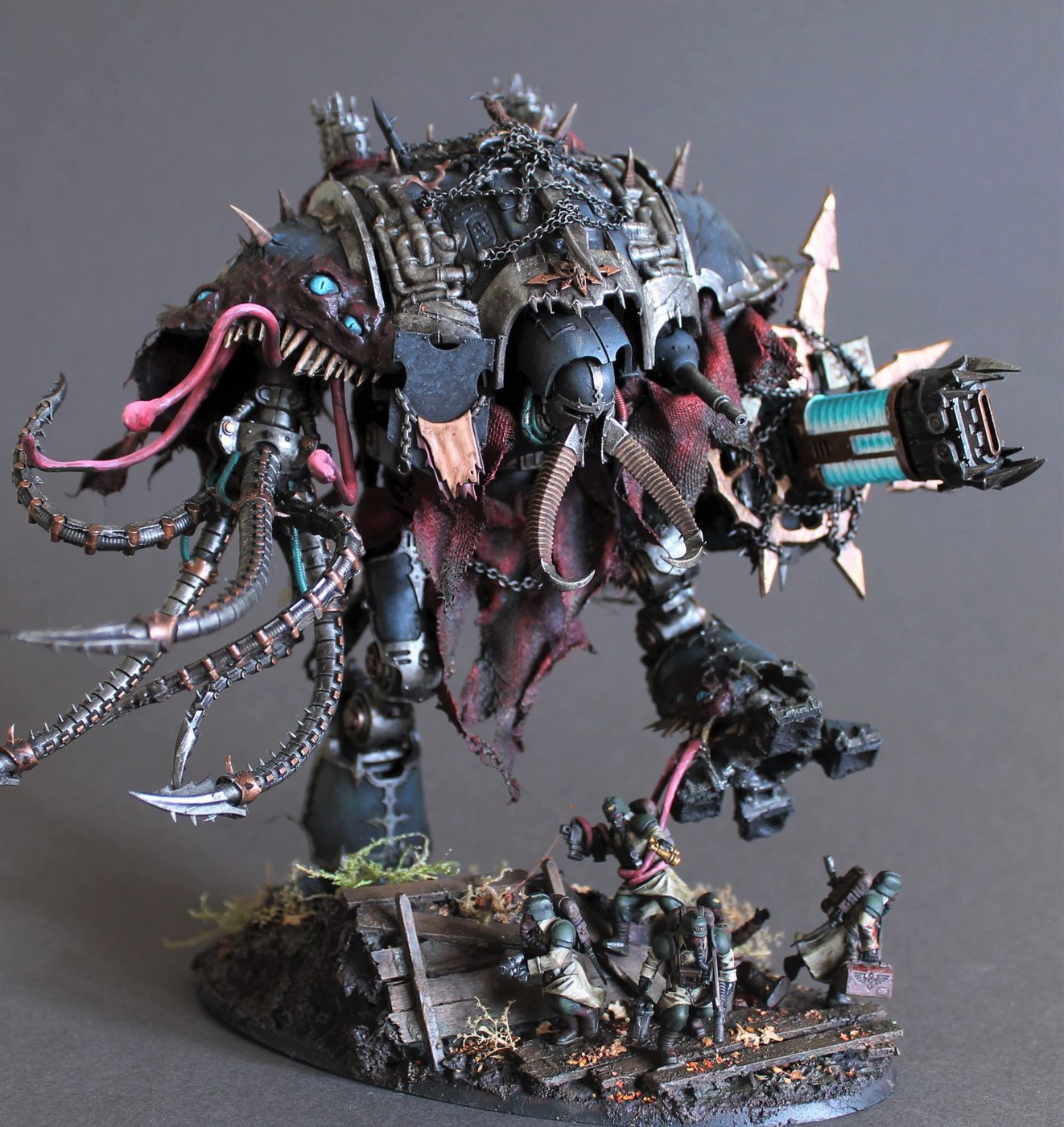
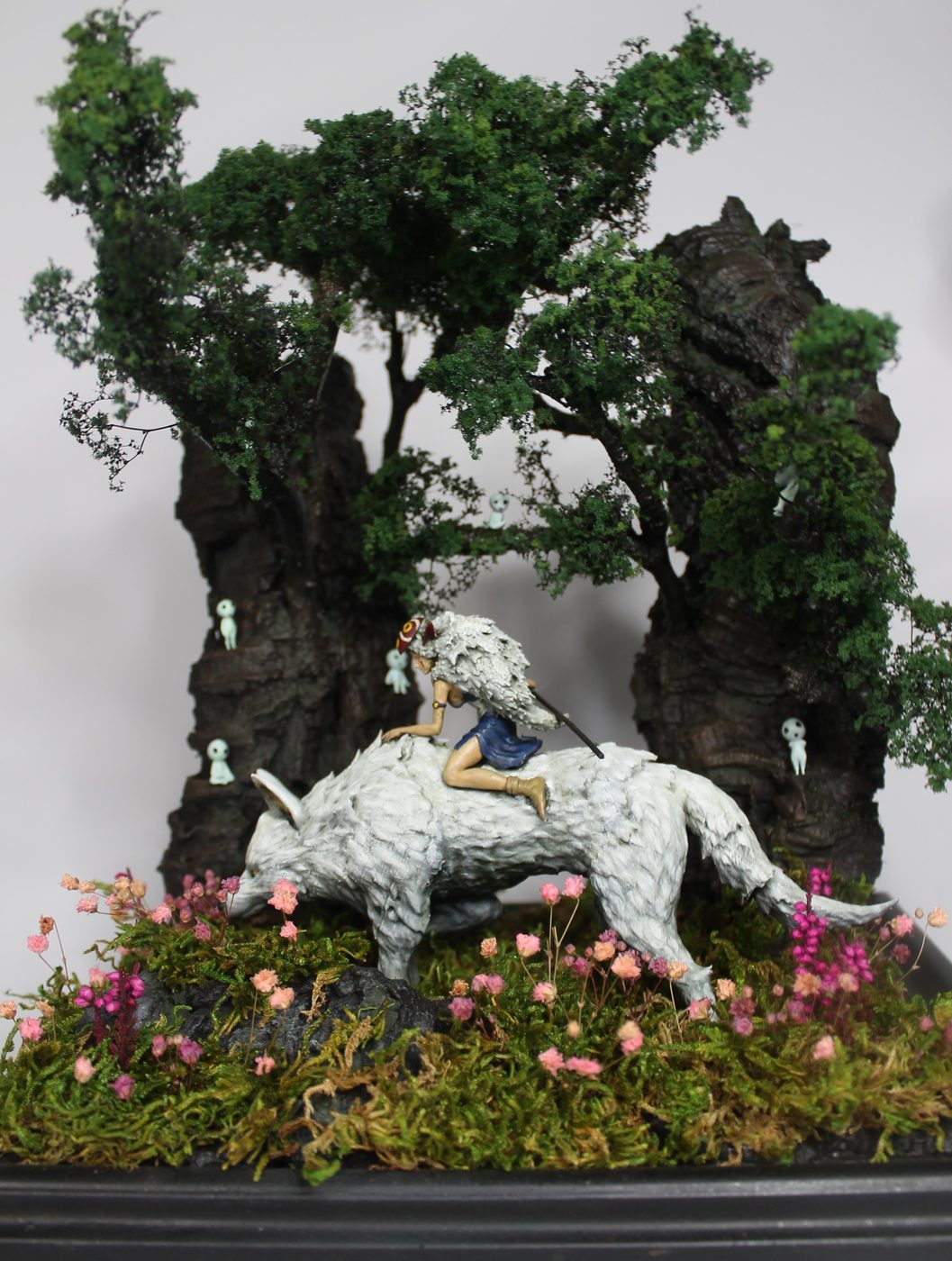
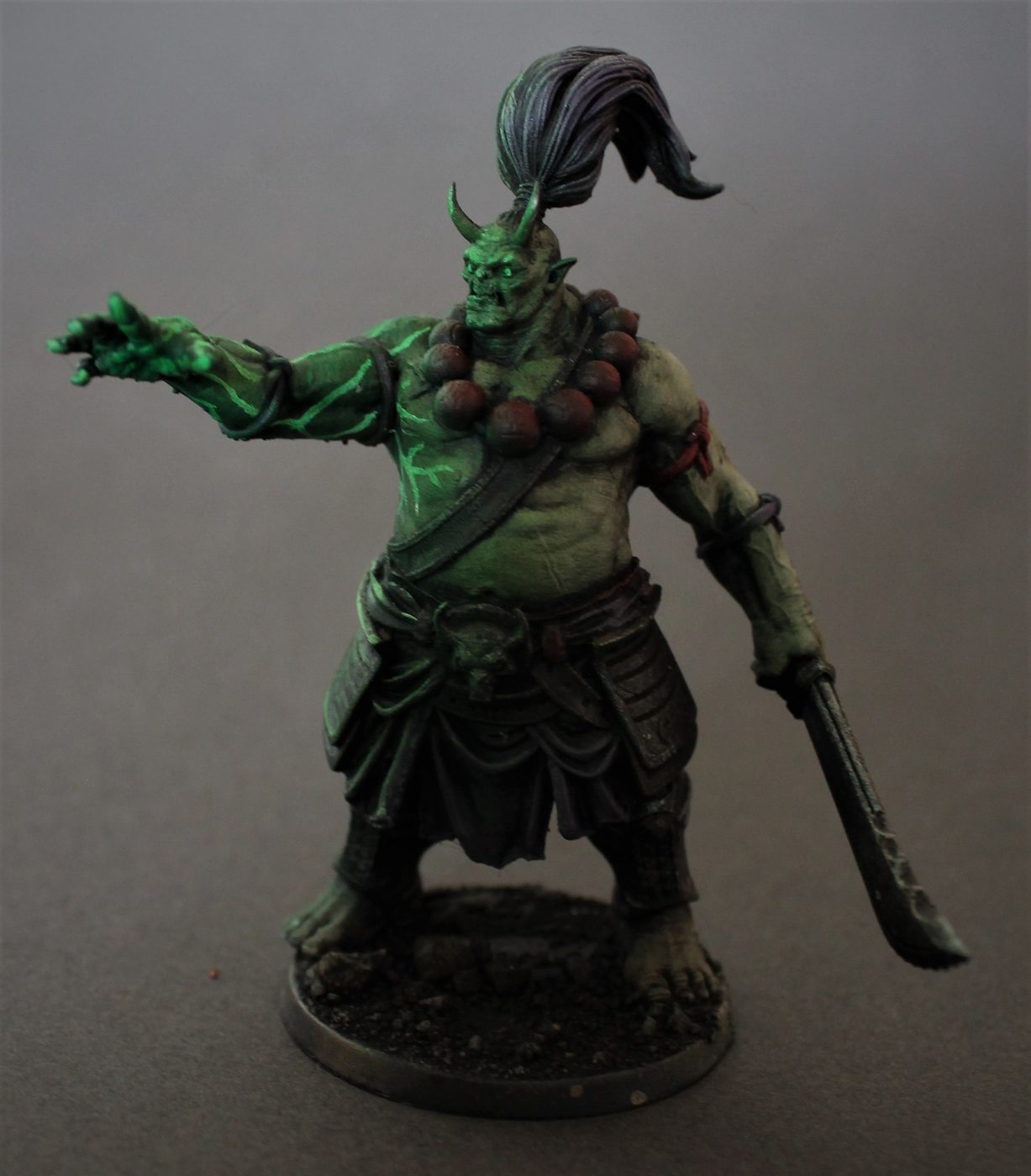
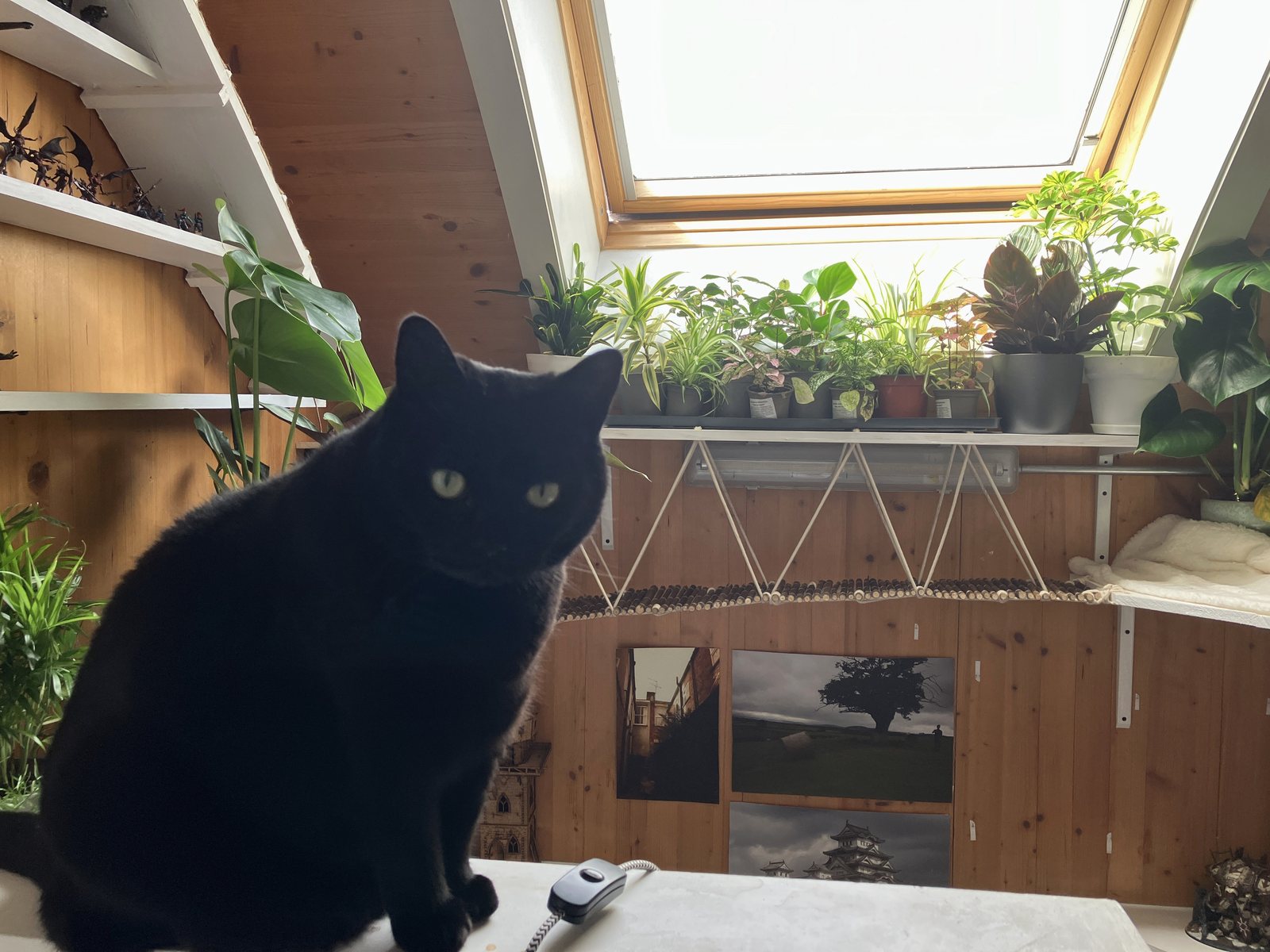
Midna, supervising
Tutoring & Training
Since university, and often since, I’ve taught the skills I’ve learned. I’ve tutored a dozen students through their exams. I can tutor the sciences, geography, geology, English and history to A-level. But these days I think preparing university applications, getting work experience and developing a CV are just as useful for a young person who wants more study.
I’ve taught Freedom of Information and investigative journalism techniques to small groups and to conferences. I’ve developed my methodology to be adaptable: for the curious enthusiast who wants to understand the power of the tool at undergraduate level, and for professionals who need to know all the tricks, traps and loopholes to advance their practice. And I’ve developed specific FOIA strategies to meet the campaigning and research goals of charities and NGOs.
If you’re in need of these niche services, then do let me know.